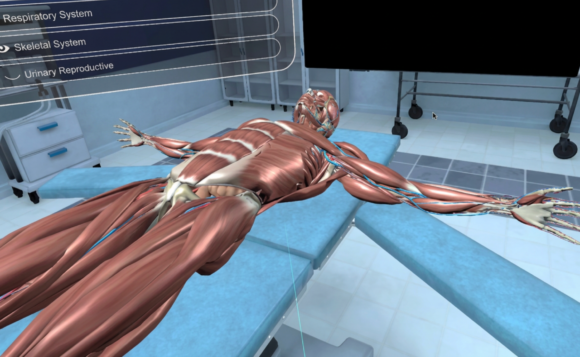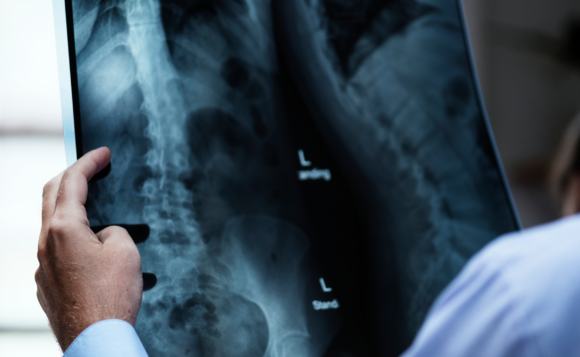
You probably don’t think much about medical scan data. But they’re everywhere.
If you’ve got an X-ray or an MRI, your images were almost certainly processed by DICOM (Digital Imaging and Communications in Medicine), the globally accepted standard for storing and sharing medical imaging data like X-rays, MRIs, and CT scans between hospitals, clinics, and research institutions since the late 80s and early 90s.
But there’s a problem: while medical technology has made incredible leaps in the last 30 years, DICOM hasn’t kept up.
What is DICOM anyway?
DICOM still operates in ways that feel more suited to a 1990s environment of local networks and limited computing power. Despite updates, the system doesn’t meet the demands of cloud computing, AI-driven diagnostics, and real-time collaboration. It lacks cloud-native support and rigid file structures, and shows inconsistencies between different manufacturers.
If your doctor still hands you a CD with your scan on it in 2025 (!), DICOM is a big part of that story.

The DICOM Legacy
How DICOM Came to Be
When DICOM was developed in the 1980s, the focus was on solving some big problems in medical imaging, and honestly, it did the job brilliantly for its time.
The initial idea was to create a universal language for different hardware and software platforms to communicate with each other, sort of like building a shared language for technology. They also had to make sure it was compatible with older devices already in use.
At that time, the most practical option was to rely on local networks since cloud-based solutions simply didn’t exist yet.
These decisions helped DICOM become the go-to standard, but they also locked it into an outdated framework that’s now tough to update.
Why It’s Hard to Change DICOM
Medical standards don’t evolve as fast as consumer technology like phones or computers. Changing something like DICOM doesn’t happen overnight. It’s a slow and complicated process muddled by layers of regulatory approvals and opinions from a tangled web or organizations and stakeholders.
What’s more, hospitals have decades of patient data tied to these systems, and making big changes that may break compatibility isn’t easy.
And to top it all off, device manufacturers have different ways of interpreting and implementing DICOM, so it’s nearly impossible to enforce consistency.
The Trouble With Staying Backwards Compatible
DICOM’s focus on working perfectly with old systems was smart at the time, but it’s created some long-term problems.
Technological advancements have moved on with AI, cloud storage, and tools for real-time diagnostics. They have shown immediately how limited DICOM can be in catching up with these innovations. Also, vendor-specific implementations have created quirks that make devices less compatible with one another than they should be.
And don’t even get started on trying to link DICOM with modern healthcare systems like electronic records or telemedicine platforms. It would be like trying to plug a 1980s gadget into a smart technology ecosystem — not impossible, but far from seamless.

Why Your CT Scanner and MRI Machine Aren’t Speaking the Same Language
Interoperability in medical imaging sounds great in theory — everything just works, no matter the device or manufacturer — however, in practice, things got messy. Some issues sound abstract, but for doctors and hospitals, they mean delays, misinterpretations, and extra burden. So, why don’t devices always play nice?
The Problem With “Standards” That Aren’t Very Standard
You’d think having a universal standard like DICOM would ensure easy interoperability because everybody follows the same rules.
Not exactly. Device manufacturers implement it differently, and this leads to:
- Private tags. These are proprietary pieces of data that only specific software can understand. If your software doesn’t understand them, you’re out of luck.
- Missing or vague fields. Some devices leave out crucial metadata or define it differently.
- File structure issues. Small differences in how data is formatted sometimes make files unreadable.
The idea of a universal standard is nice, but the way it’s applied leaves a lot to be desired.
Metadata and Tag Interpretation Issues
DICOM images contain extensive metadata to describe details like how the patient was positioned during the scan or how the images fit together. But when this metadata isn’t standardized, you end up with metadata and tag interpretation issues.
For example, inconsistencies in slice spacing or image order can throw off 3D reconstructions, leaving scans misaligned. As a result, when doctors try to compare scans over time or across different systems, they often have to deal with mismatched or incomplete data.
These inconsistencies make what should be straightforward tasks unnecessarily complicated and create challenges for accurate diagnoses and proper patient care.
File Structure and Storage Inconsistencies
The way images are stored varies so much between devices that it often causes problems.
Some scanners save each image slice separately. Others put them together in one file. Then there are slight differences in DICOM implementations that make it difficult to read images on some systems. Compression adds another layer of complexity — it’s not the same across the board. File sizes and levels of quality vary widely.
All these mismatches and inconsistencies make everything harder for hospitals and doctors trying to work together.
Orientation and Interpretation Issues
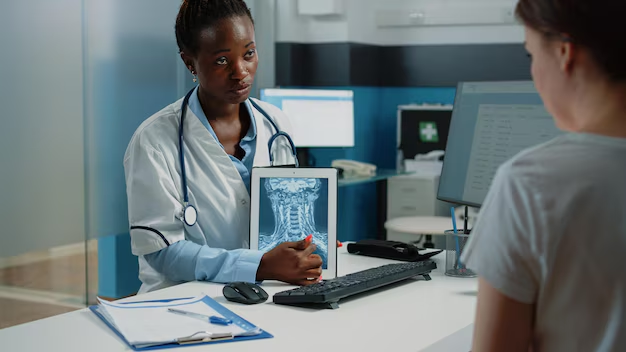
Medical imaging is incredible, but sometimes working with scans slows things down when time matters most and makes it harder to get accurate insights for patient care.
There are several reasons for this.
Different Coordinate Systems
Sometimes, DICOM permits the use of different coordination systems and causes confusions.
For instance, patient-based coordinates relate to the patient’s body, like top-to-bottom (head-to-feet) or side-to-side (left-to-right). Scanner-based coordinates, on the other hand, are based on the imaging device itself.
When these systems don’t match up, it creates misalignment issues in multi-modal imaging studies, where scans from different devices need to work together.
Slice Ordering Problems
Scans like MRIs and CTs are made up of thin cross-sectional images called slices. But not every scanner orders or numbers these slices in the same way.
Some slices can be stored from top-to-bottom or bottom-to-top. If the order isn’t clear, reconstructing 3D models becomes harder. Certain scanners use inconsistent slice numbering and make volume alignment challenging.
Display Inconsistencies Across Viewers
It’s weird to think that a medical scan looks completely different depending on which viewer you open it with, but that’s exactly the problem with DICOM viewers. The problem is, there’s no universal approach to how images should be presented.
For example, the brightness and contrast look perfect in one viewer but totally off on another because they each interpret presets differently. Or images can be flipped or rotated because one system handles orientation metadata in a different way. There are also cross-platform compatibility issues when a scan looks perfect on one viewer but appears distorted or altered when opened on another platform.
All these inconsistencies add up, and interpretation becomes more complicated than it should be.
Interoperability: Why It’s Breaking Down
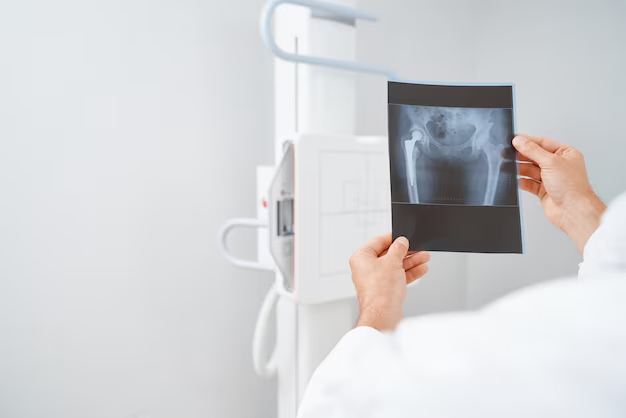
When you think about healthcare, the last thing you want is for technology to get in the way of patient care. However, that’s exactly what happens when systems can’t talk to each other.
Interoperability challenges slow down workflows, add stress to healthcare systems, and impact how quickly patients get the care they need.
Interoperability Isn’t Optional Anymore
Interoperability is absolutely critical in healthcare, and it’s not hard to see why.
Hospitals use equipment from different manufacturers, and everything should work seamlessly together. Doctors at different facilities need to share images for second opinions and collaboration. Finally, AI tools and cloud-based services only work well when they have clean data to analyze.
These connections break down without interoperability, and it becomes harder for healthcare teams to give their patients the proper care.
Common Stumbling Blocks
When each vendor configures the DICOM standard to suit their devices, you get broken compatibility between systems. Moreover, trying to connect DICOM systems to modern cloud platforms is a pain because there aren’t enough standard APIs to make it simple.
And for hospitals, it’s even worse. They often feel stuck with a specific PACS vendor. The software is so locked down and proprietary that switching to something else feels almost impossible.
Problems With Cloud and AI Integration
Large file sizes and inefficient compression drag down cloud-based workflows and make everything slower than it needs to be.
Then there’s real-time remote diagnostics. It becomes harder to manage without native streaming support, and delays are almost guaranteed.
What about AI, it’s one of the most powerful tools we have, but it relies on consistent and clean metadata to really perform. The problem is, DICOM data is often inconsistent. So, instead of letting AI do what it’s designed to do, like analyzing and automating tasks, it hits a wall because metadata isn’t aligned, and you end up spending more time trying to make the data compatible.
These are real challenges that get in the way of what could be a more efficient system. The sooner we address these issues, the sooner the system flows like it’s meant to.

Efforts to Update Medical Imaging Standards
Medical imaging is going through some much-needed upgrades, and honestly, it’s about time. Systems that have been around forever, like DICOM, are finally getting the updates they need to keep up with the pace of healthcare.
For example, with DICOMweb, you can now pull up imaging files using RESTful APIs. FHIR (Fast Healthcare Interoperability Resources) helps DICOM work better with newer healthcare systems.
Of course, DICOM isn’t the only option. The NIfTI format works well for 3D volumetric imaging and is a favorite in neuroscience research. FHIR-based imaging workflows offer cloud-native alternatives. The whole point is to give people alternatives that fit the way the world looks like now, not the way it worked 20 years ago.
AI and cloud computing are also making an impact — but they do have some big requirements. AI is powerful, no doubt, but it needs well-organized image data to produce accurate results. They’re simply held back when the data isn’t consistent. On the cloud side of things, PACS systems depend on strong DICOM support to run properly. Metadata is a key element that ties all this together. It powers automation, speeds up workflows, and ensures precision in every process.
Piece by piece, all these changes are helping medical imaging to keep up with what modern healthcare actually needs.
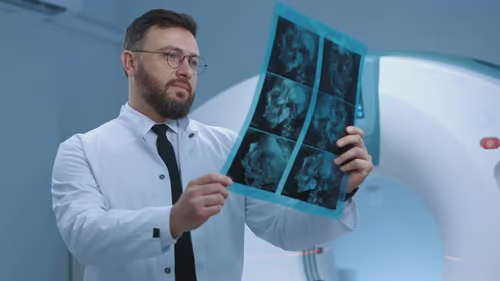
What’s next for medical imaging?
DICOM was never built for today’s needs like real-time collaboration or AI-powered analysis. They weren’t even on the radar when DICOM was created. It’s an old system trying to function in a new reality.
What medical imaging systems need is a fresh approach. There should be clearer rules to enforce standardization and stop vendors from going rogue with custom modifications.
Modern systems would also benefit from cloud-native imaging formats that handle modern needs and don’t break old data. Moreover, smart APIs can simplify bridging imaging systems with EHRs and the many other tools healthcare depends on.
If imaging systems can make these changes, it could finally start working the way modern medicine really needs it to.
Final Thoughts
Medical imaging deserves better. DICOM had its time, but modern medicine needs systems that keep pace with advancements.
Change is possible, but it’s going to take teamwork between healthcare professionals, software developers, and policymakers to move on from the 90s and build something that works for the challenges of today and tomorrow.
References & Resources
- DICOM Official Website: https://www.dicomstandard.org
- FHIR Standard: https://www.hl7.org/fhir
- Research on DICOM Modernization: PubMed.gov
Latest Articles